Light Weight Aluminum Castings Explained: Key Advantages and Services for Your Manufacturing Needs
Light weight aluminum castings play a substantial function in contemporary manufacturing. Their long lasting and lightweight nature makes them suitable for different applications. Industries such as automotive and aerospace gain from their versatility. Recognizing the benefits and the production procedure of light weight aluminum castings is important. In addition, picking the appropriate company can influence quality and effectiveness. What elements should be taken into consideration when selecting a light weight aluminum spreading solution? Discovering these elements discloses important understandings.
Advantages of Aluminum Castings
Light weight aluminum castings use many advantages that make them a favored option in numerous industries. One of the primary advantages is their light-weight nature, which considerably reduces delivery and taking care of prices. Furthermore, light weight aluminum exhibits exceptional rust resistance, making certain long life and decreased upkeep for items made from this material. The versatility of aluminum permits elaborate styles and complicated forms, offering suppliers with better flexibility in production.
Furthermore, light weight aluminum spreadings possess excellent thermal and electric conductivity, making them ideal for a selection of applications needing warmth dissipation or electric elements. The material also has a high strength-to-weight ratio, enabling the production of resilient yet lightweight components. In addition, aluminum can be reused without losing its homes, promoting sustainability in manufacturing processes. On the whole, these benefits make aluminum spreadings a trusted and efficient option for producers seeking quality and efficiency in their items.
Applications of Light Weight Aluminum Castings in Various Industries
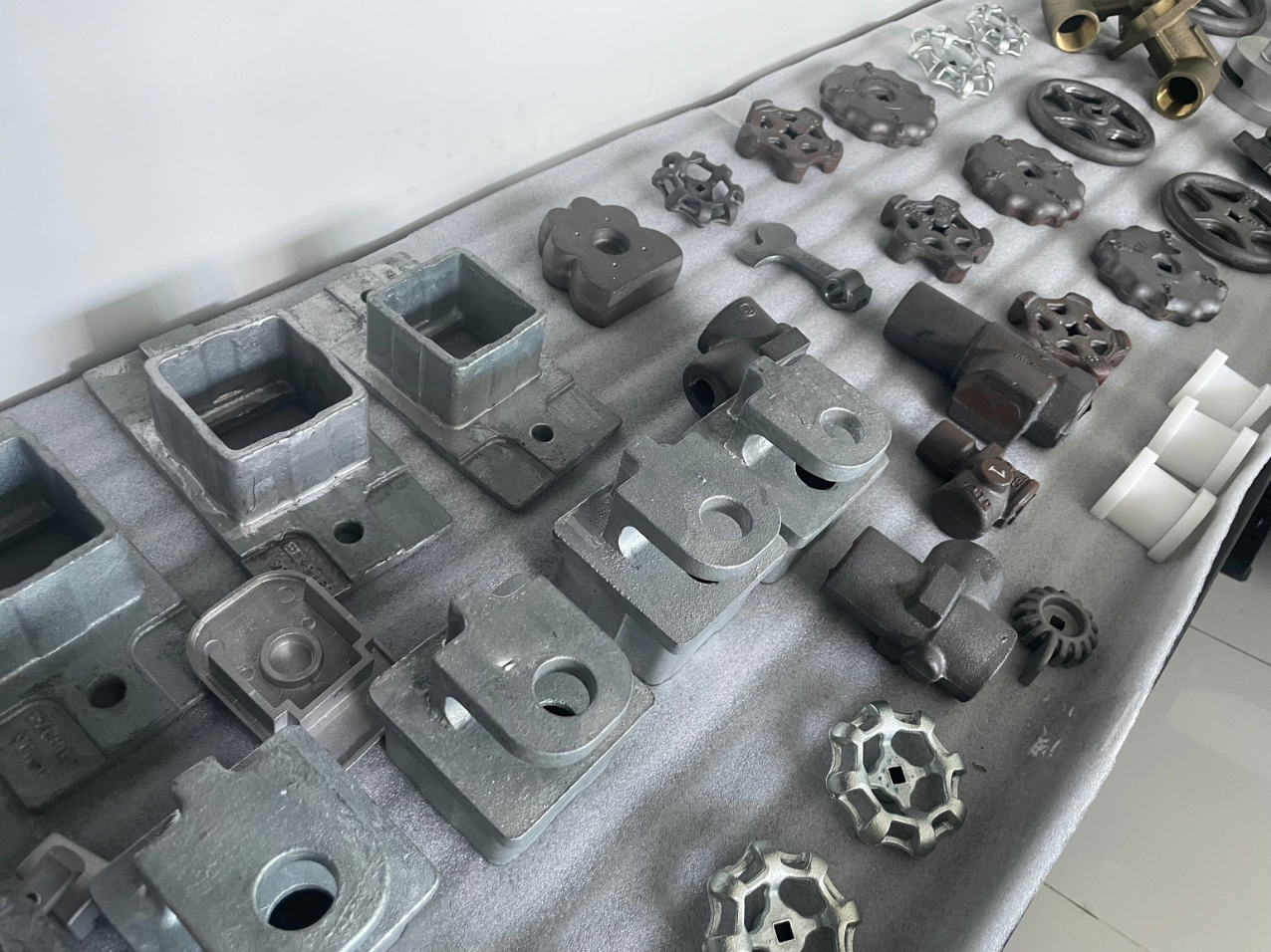
The advantages of light weight aluminum castings make them very searched for across different sectors, including automotive, aerospace, and durable goods. In the automobile sector, they are used for engine blocks, transmission instances, and wheels as a result of their light-weight nature, which boosts gas efficiency. Aerospace applications gain from light weight aluminum spreadings in structural components and housings, supplying toughness while decreasing weight, necessary for flight efficiency.
In durable goods, aluminum castings are made use of in products such as cookware and electronic enclosures, using resilience and visual appeal (Aluminum Foundry). In addition, the electric sector uses aluminum castings for heat sinks and housings, making certain effective thermal management. The convenience of light weight aluminum enables intricate geometries and intricate styles, even more broadening its applications. In general, the varied energy of light weight aluminum castings emphasizes their value in contemporary manufacturing, adding to innovation and efficiency across these vital industries

The Manufacturing Refine of Light Weight Aluminum Castings
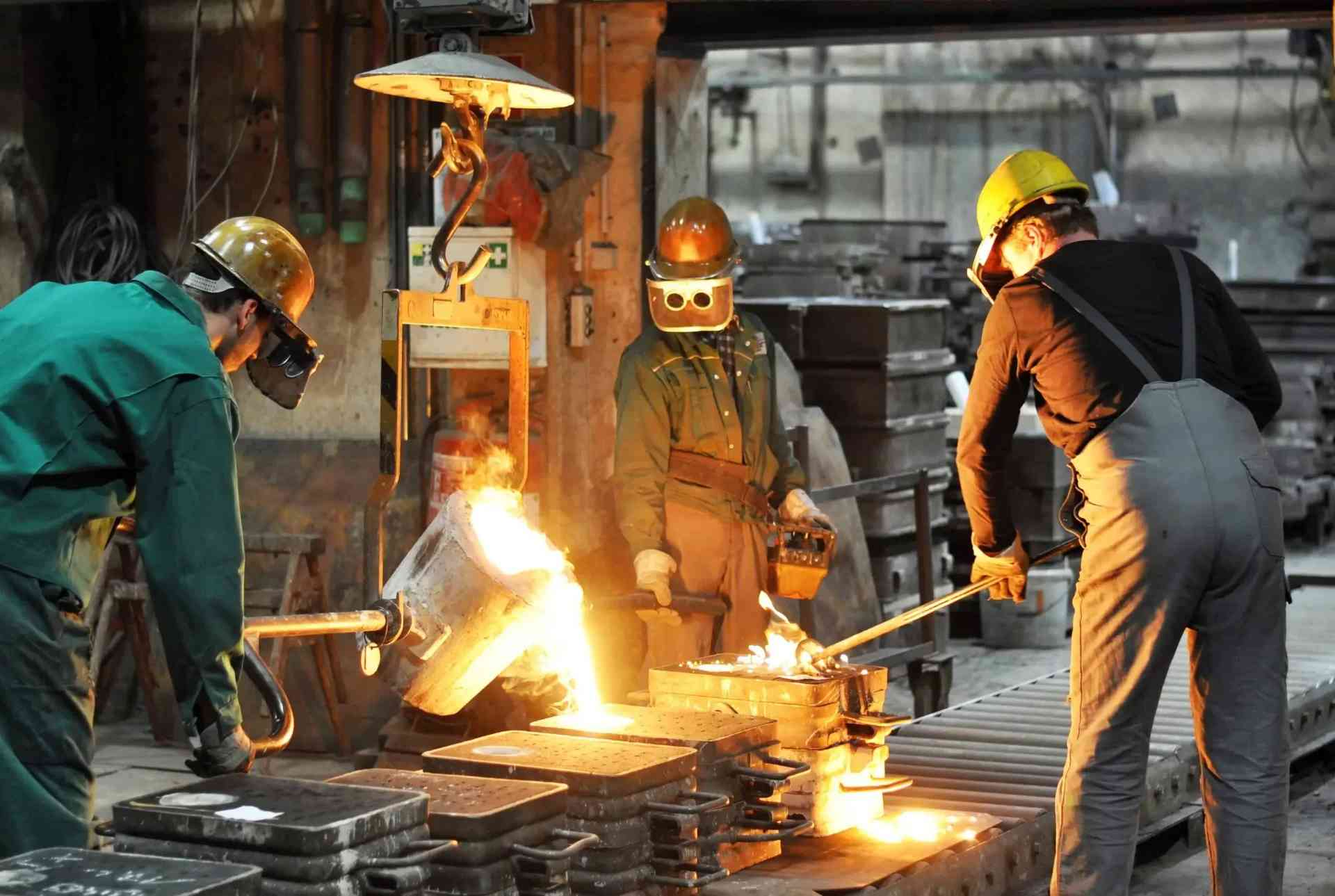
Casting light weight aluminum involves numerous critical steps that change raw metal into specific parts. The procedure starts with the melting of aluminum scrap or ingots in a furnace, getting to temperatures around 1,200 ° F. As soon as molten, the aluminum is poured right into a mold and mildew, which can be made from sand, metal, or ceramic, depending on the wanted requirements.
After putting, the steel solidifies and cools down, creating the form of the mold (Wisconsin Aluminum Foundry). The following step includes removing the casting from the mold and mildew, which might call for additional strategies to guarantee a smooth surface coating
Ultimately, any type of excess product or blemishes can be machined or ground off to achieve the final dimensions. Quality examinations are then performed to confirm that the spreading satisfies called for standards. This careful procedure allows producers to generate elements that are light-weight, resilient, and ideal for a large range of applications.
Picking the Right Light Weight Aluminum Spreading Solution
When picking an aluminum spreading service, it is important to contemplate several aspects that can greatly affect the high quality and efficiency of the end product. The solution company's experience and expertise in light weight aluminum casting play an important duty in ensuring top quality results. Companies need to analyze the provider's profile and previous jobs to evaluate their abilities.
Furthermore, assessing the innovation and tools made use of by the spreading service is necessary, as modern equipment can improve precision and lower preparations. An additional essential element is the capability to provide customized solutions customized to details task needs, which can significantly boost item efficiency.
Furthermore, communication and client assistance need to not be forgotten; a joint companion can facilitate smoother job implementation. Thinking about cost-effectiveness without endangering top quality is vital for making an informed choice. By meticulously evaluating these elements, suppliers can select a casting solution that best meets their needs.
Future Fads in Aluminum Spreading Innovation
As manufacturers progressively prioritize top quality and performance, advancements in aluminum casting innovation are readied to change the market. Arising trends consist of the fostering of automation and robotics, which improve accuracy and lower human error in casting procedures. Furthermore, the assimilation of artificial knowledge and machine knowing is expected to maximize production timetables and boost top quality control.
Sustainability continues to be a main focus, with technologies in recycling techniques permitting much more reliable reuse of light weight aluminum scrap, thereby minimizing waste and power consumption. Advanced simulation software application is also gaining grip, making it possible for designers to design and forecast casting efficiency prior to real manufacturing, reducing pricey errors.
The growth of new alloys and advanced spreading approaches, such as 3D printing, will broaden the opportunities for light-weight yet sturdy elements. With each other, these fads read what he said show a vibrant future for light weight aluminum spreading, driven by technological developments that focus on efficiency, product, and sustainability top quality.
Often Asked Concerns
Just How Do Light Weight Aluminum Castings Compare to Various Other Materials?
What Are the Weight Limitations for Aluminum Castings?
Weight limitations for light click to find out more weight aluminum castings typically rely on the design and application, yet they typically sustain load capacities ranging from a couple of ounces to numerous lots. Details restrictions occur from variables like wall surface density and architectural stability.
Can Light Weight Aluminum Castings Be Fixed After Production?
Aluminum castings can be repaired after manufacturing, utilizing strategies such as welding or epoxy bonding. The usefulness of fixings relies on the degree of damages and the specific buildings of the aluminum alloy made use of.
What Finishes Are Available for Light Weight Aluminum Castings?
Different surfaces are available for aluminum castings, consisting of anodizing, powder coating, sprucing up, and painting. These coatings enhance look, provide rust resistance, and boost surface durability, providing to diverse aesthetic and practical demands in manufacturing applications.
How Do Environmental Laws Affect Aluminum Casting Processes?
Environmental policies considerably impact light weight aluminum spreading procedures by mandating stricter emissions controls, encouraging recycling practices, and advertising sustainable materials. These laws urge producers to embrace cleaner modern technologies and decrease their eco-friendly impact in manufacturing activities.